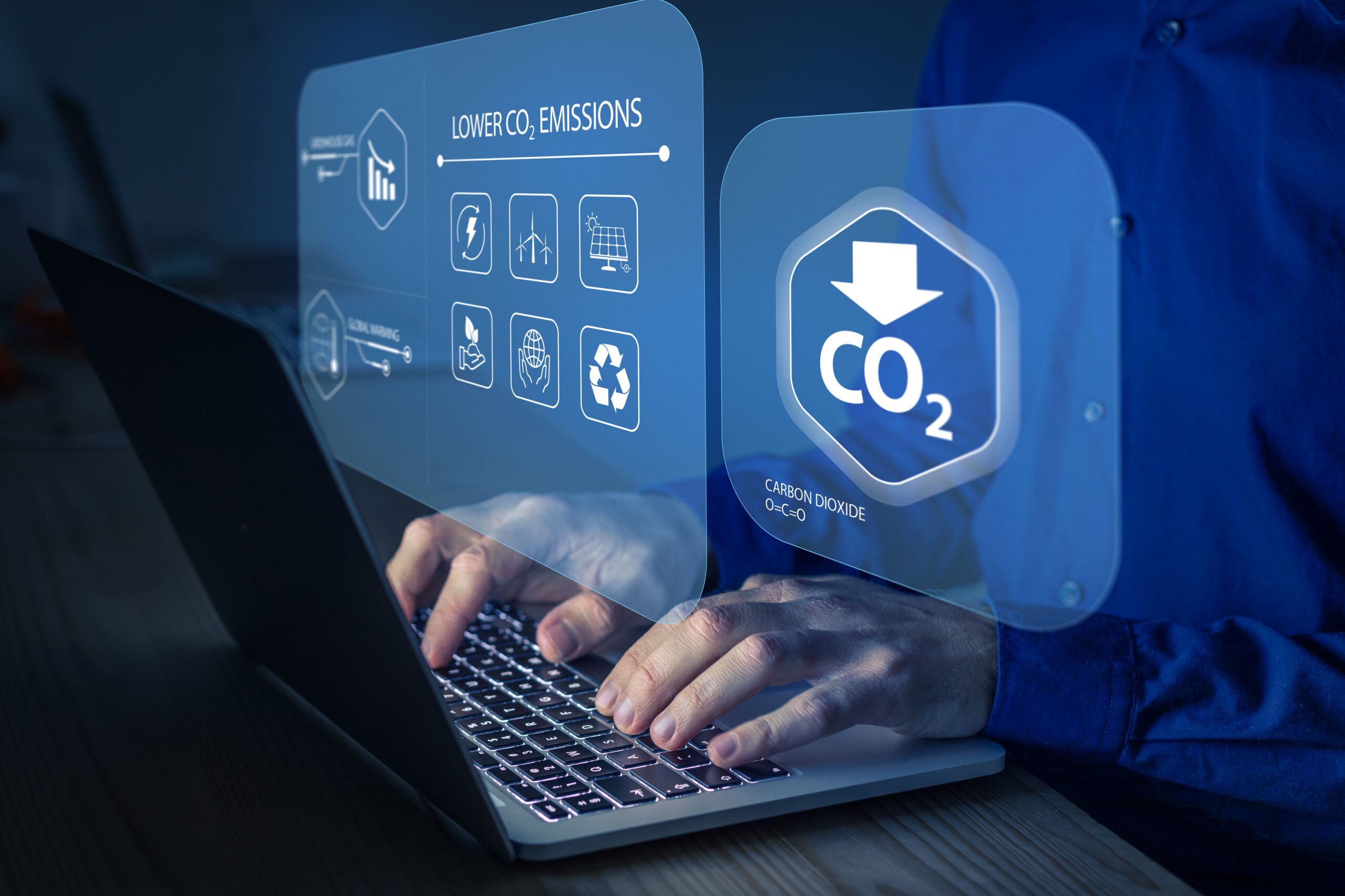
Carbon Reduction & Innovative Transformation

Small and medium enterprises account for nearly a third of carbon emissions. At the same time, many regions are not able to support their decarbonisation. The CREDIT4CE project builds the support capacities of such regions to take forward the green transition. The partners train them on technology transfer and speed up the development and uptake of innovative technologies needed for “net zero”. They design a new framework for green-tech innovators, which consists of a set of interventions for technology transfer and a public/private support model for green tech startups. The model will speed up the transfer of cutting-edge tech from lab to market and scale up green solutions to create new business opportunities.


Understanding Carbon Footprint Calculators and Their Importance

In today’s world, environmental sustainability is more than just a buzzword—it’s a critical aspect of responsible business operations. A carbon footprint calculator is a tool that measures the total greenhouse gas (GHG) emissions produced directly and indirectly by an individual, organization, event, or product. By quantifying these emissions, companies can identify key areas where they can reduce their environmental impact, comply with regulations, and improve operational efficiency.

Why Do We Need Carbon Footprint Calculators?

  • Combatting Climate Change: Greenhouse gases trap heat in the atmosphere, leading to global warming and climate change. Measuring carbon footprints is the first step in mitigating these effects by identifying and reducing emissions.
  • Regulatory Compliance: Governments worldwide are implementing stricter environmental regulations. Companies need to monitor and report their emissions to comply with laws and avoid penalties.
  • Economic Benefits: Reducing emissions often leads to energy savings and operational efficiencies, resulting in cost reductions.
  • Reputation and Competitiveness: Consumers and investors are increasingly favoring environmentally responsible companies. Demonstrating a commitment to sustainability can enhance a company’s brand and market position.

Why Should Companies Use Carbon Footprint Calculators?

  • Identify Emission Sources: Understanding where emissions originate helps companies target reduction efforts effectively.
  • Set and Achieve Sustainability Goals: Quantifying emissions allows for setting measurable targets and tracking progress over time.
  • Enhance Transparency: Reporting on carbon footprints can build trust with stakeholders, including customers, investors, and regulators.
  • Drive Innovation: The process can uncover opportunities for developing new, more sustainable products and services.

Understanding Emission Scopes: Scope 1, 2, and 3

The Greenhouse Gas Protocol, a widely used international accounting tool, categorizes GHG emissions into three “scopes” to help organizations comprehensively assess their emissions.

Scope 1: Direct Emissions

These are emissions from sources that are owned or controlled by the company.

Examples:

  • Fuel combustion in company-owned boilers, furnaces, and vehicles.
  • Emissions from chemical production in owned or controlled process equipment.

Scope 2: Indirect Emissions from Energy Consumption

These emissions result from the generation of purchased energy that the company consumes.

Examples:

  • Electricity purchased from the grid.
  • Purchased steam, heating, or cooling.

Scope 3: Other Indirect Emissions

These are all other indirect emissions that occur in a company’s value chain.

Examples:

  • Purchased goods and services.
  • Business travel and employee commuting.
  • Waste disposal.
  • Use of sold products.
  • Transportation and distribution (upstream and downstream).
  • Investments.

Don’t wait and calculate your carbon footprint now!

Calculate the carbon footprint

Why Understanding Scopes Matters

  • Comprehensive Assessment: Categorizing emissions helps companies understand the full extent of their environmental impact.
  • Strategic Reduction Efforts: Identifying which scopes contribute most to emissions allows for targeted strategies.
  • Stakeholder Communication: Clear reporting on all scopes enhances transparency and accountability.
  • Regulatory Alignment: Some regulations and reporting standards require disclosure of emissions by scope.

Conclusion

A carbon footprint calculator is an essential tool for any company committed to sustainability. By measuring and understanding emissions across Scopes 1, 2, and 3, businesses can:

  • Reduce their environmental impact.
  • Achieve cost savings through improved efficiency.
  • Comply with current and future regulations.
  • Enhance their reputation among consumers and investors.

Taking proactive steps to measure and manage carbon emissions is not just good for the planet—it’s good for business.

Would you like more details? Write to us!

Contact us